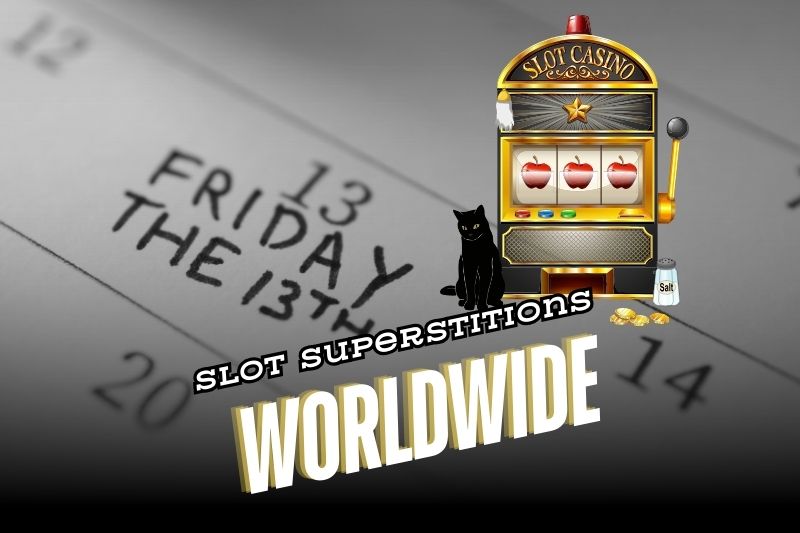
Luck has always played a central role in gambling, but for many players, it’s not just about chance—it’s about belief. Around the world, slot machine players have developed unique slot superstitions and rituals, each tied to their culture’s perception of luck.
Whether it’s carrying a rabbit’s foot in North America or avoiding certain numbers in Asia, these superstitions are as diverse as they are fascinating. In this article, we’ll explore slot-related superstitions from different corners of the globe and uncover the cultural beliefs that drive them.
1. North America: Lucky Charms and Rituals
In North America, gamblers have a wide range of superstitions and lucky charms they rely on when playing slot machines. Many players carry physical tokens of luck, like rabbit’s feet, four-leaf clovers, or lucky coins, believing these items will help them win big. Rituals are also common, such as rubbing the machine for good luck, sitting in a specific chair, or even playing at a certain time of day. Some players believe that machines in the corners or near the entrance of a casino are luckier than others.
Superstitions often extend to personal habits, like always betting the same amount or pulling the lever in a specific way. These rituals may not influence the game’s outcome, but they give players a sense of control over their fate, making the gaming experience more exciting.
2. Europe: Beliefs Rooted in History
In Europe, slot machine superstitions are deeply intertwined with centuries-old cultural beliefs. For example, in the UK, many gamblers avoid the number 13, considering it unlucky. Meanwhile, others believe that red slot machines bring better luck than those of other colors. Italy has its own slot-related folklore, with many players believing that once a machine has paid out, it becomes “cold” and should be avoided. Some even insist that a machine that has been touched by a big winner will be luckier in subsequent rounds.
Players across Europe often use personal rituals to try to sway luck in their favor, such as tapping the machine before each spin or wearing lucky clothing when gambling. These beliefs, while not scientifically based, provide an extra layer of excitement and personal connection to the gaming experience.
3. Asia: Feng Shui and Numbers
In many Asian countries, luck and superstition are deeply tied to cultural beliefs, especially in gambling. In China, certain numbers are considered either lucky or unlucky, heavily influencing slot machine behavior. The number 8 is associated with prosperity, making machines featuring 8s more attractive to players, while 4 is avoided due to its association with death. Feng Shui, the ancient Chinese practice of harmonizing energy, is also used to determine where machines should be placed within casinos to maximize luck.
In Japan, some gamblers believe that slot machines, known as “pachinko,” have their own spirits or energies. Players may bow before a machine or perform rituals to appease these spirits and invite good fortune. These cultural beliefs bring a spiritual layer to the gaming experience, making it more than just a game of chance.
4. Latin America: Rituals for Good Fortune
In Latin America, slot machine superstitions often revolve around rituals designed to invite good fortune. Players in countries like Mexico and Brazil may bless the slot machine before playing, believing this will attract luck. Tapping or knocking on the machine is another common ritual used to “wake up” the machine and bring it into a luckier state. Additionally, the color red is often considered lucky, with many gamblers wearing red clothing or accessories when they play to attract good fortune.
Another popular belief is the idea that certain times of the day are luckier for playing slots, with some players preferring to gamble at night when the atmosphere feels more intense and magical.
5. Africa: Ancestral Beliefs and Modern Superstitions
In various parts of Africa, gambling superstitions often stem from a deep connection to ancestral beliefs and spirituality. Some players believe in invoking their ancestors or seeking guidance from spiritual leaders to bring luck to their slot machine sessions. These spiritual practices, rooted in tradition, are thought to provide protection and increase the odds of winning.
In addition to ancestral beliefs, modern superstitions have also emerged, such as tapping the machine for luck or wearing certain colors believed to bring good fortune, like green or gold.
6. Technology Meets Superstition: Modern Slot Myths
As technology has transformed slot machines from mechanical to digital, new superstitions have emerged. Many modern players believe in the concept of “hot” and “cold” machines—some think that a machine that hasn’t paid out recently is due for a win, while others avoid machines that have recently had a big payout. Additionally, slot myths about playing at certain times of the day or after machine resets persist despite slots being controlled by random number generators (RNGs) that ensure outcomes are always random.
Conclusion
Superstitions have always played a central role in gambling, and slot machines are no exception. From the lucky charms and rituals of North America to the influence of numbers and feng shui in Asia, players around the world find comfort and excitement in their beliefs.
Whether it’s blessing the machine in Latin America or invoking ancestral spirits in Africa, these practices add a personal, cultural layer to the thrill of slot gaming. As technology evolves, new myths emerge, blending old traditions with modern gaming habits. Ultimately, these superstitions keep the game exciting and offer players a sense of control in a world of chance.